
- HomeHome
- About UsAbout Us
About Us
Zhengzhou Muhe Jinrui Machinery Equipment Co., Ltd. is located in the western suburbs of Zhengzhou, the capital city of Henan Province. We are a professional enterprise integrating R&D, design, production and sales, equipped with a full range of advan
more
- ProductsProducts
Products
Muhe Jinrui series products include: large and medium-sized chaff cutters, chaff cutting and silk kneading machines, chaff cutting, silk kneading and crushing machines, corn threshers, peanut shellers, feed pellet machines, remote-controlled grass crusher
more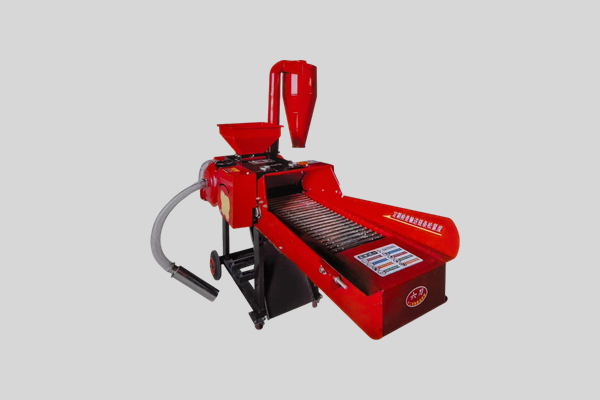
- ProjectsProjects
- NewsNews
News
Our company has always pursued excellence. With a high-quality team of employees, a strict quality assurance system and optimized management of the entire production process, we ensure our "high-quality project". A complete after-sales service s
more
- Contact UsContact Us
- 简体中文简体中文
+86 18538576291
+86 19139764134